
IDEO Workplace 2020
In 2001, as a senior designer at IDEO - Grand Rapids, I created concepts for the ‘Workplace in 2020’ for Steelcase’s Advanced Concepts, Research and Development Group (ACRD). Created for an article in TIME magazine for communicating Steelcase’s vision for the future of work. I am always exploring the workplace in 4 dimensions in what is usually a 2 dimensional plan. How can the workplace and individual touch points envelop the person inhabitating those spaces over time? How can the senses be engaged by persistent information that receeds into the background? How can the information itself become space?

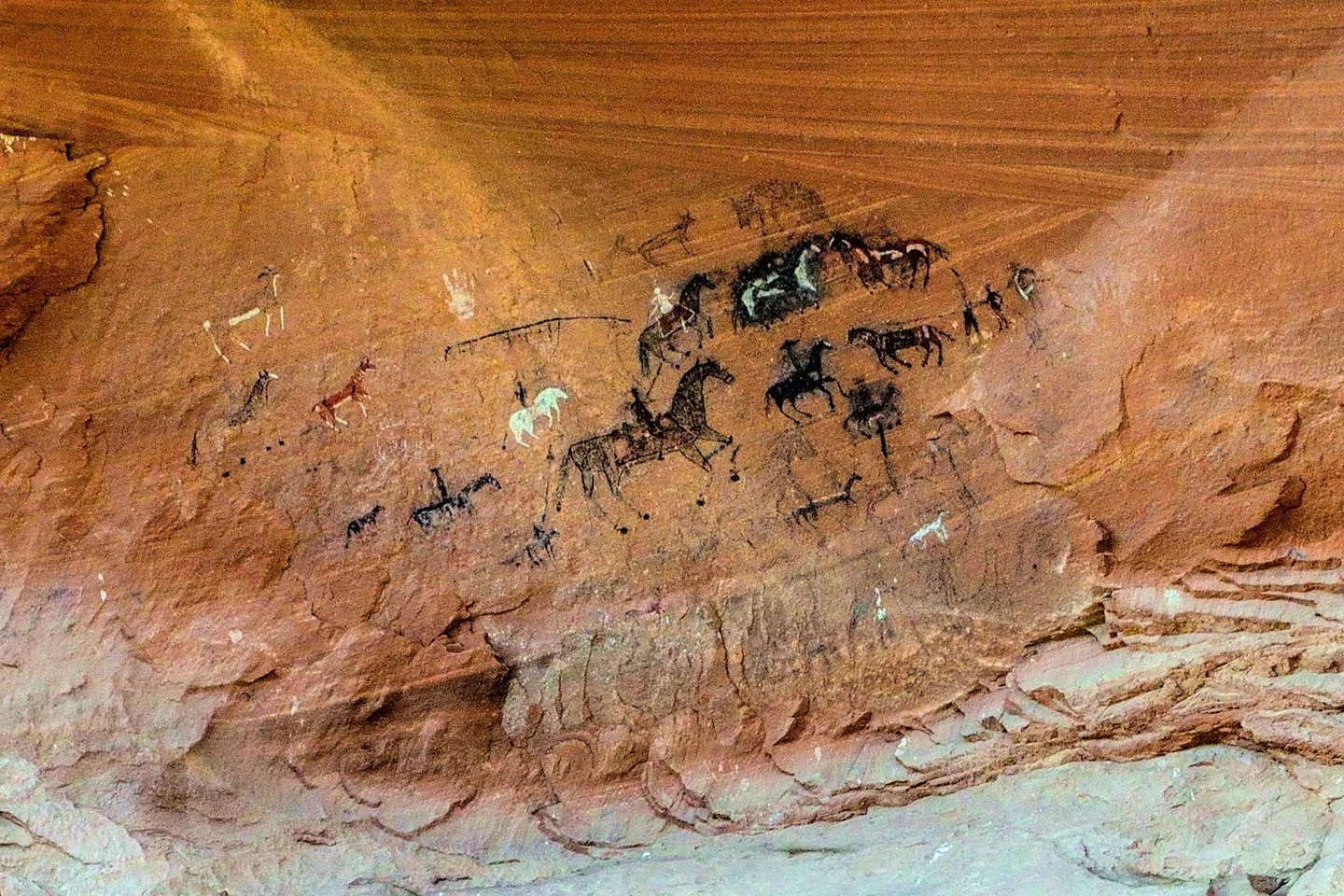
Inspired by the cave dwellings of the Hopi and Pueblo tribes in the Canyon de Chelly, and the cave wall paintings there. How can we embed our stories and corporate memory into the built environment?
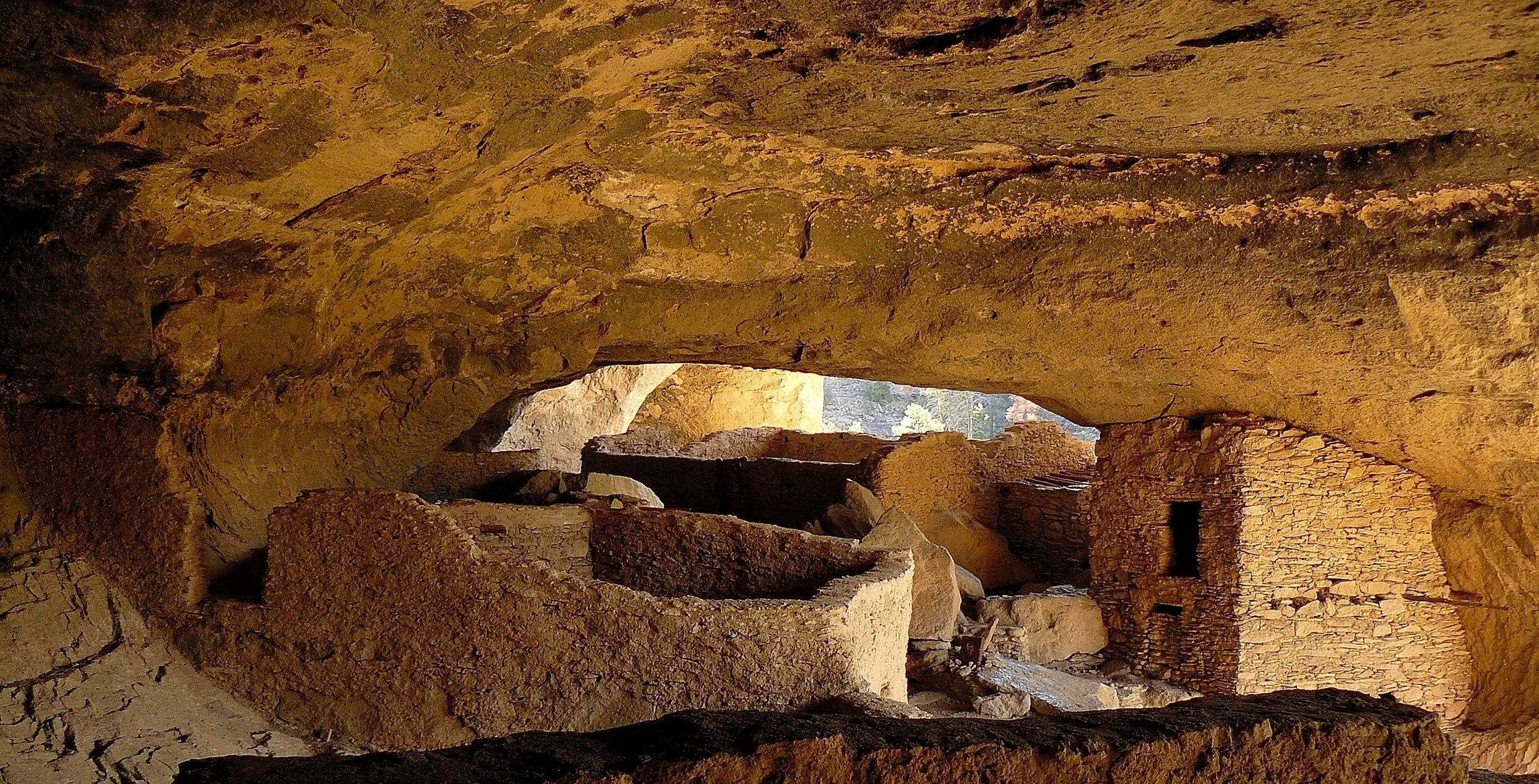
The warm tones of the Hopi and Pueblo cave dwellings. How do we bring this feeling of psychological comfort and shelter to our modern steel, concrete and glass buildings?

Inspired by Japanese Tea Houses and sacred spaces that are set apart, this is a contemplative space for individuals and small groups. How can meeting take on the sincerity and intentionality of a tea ceremony?
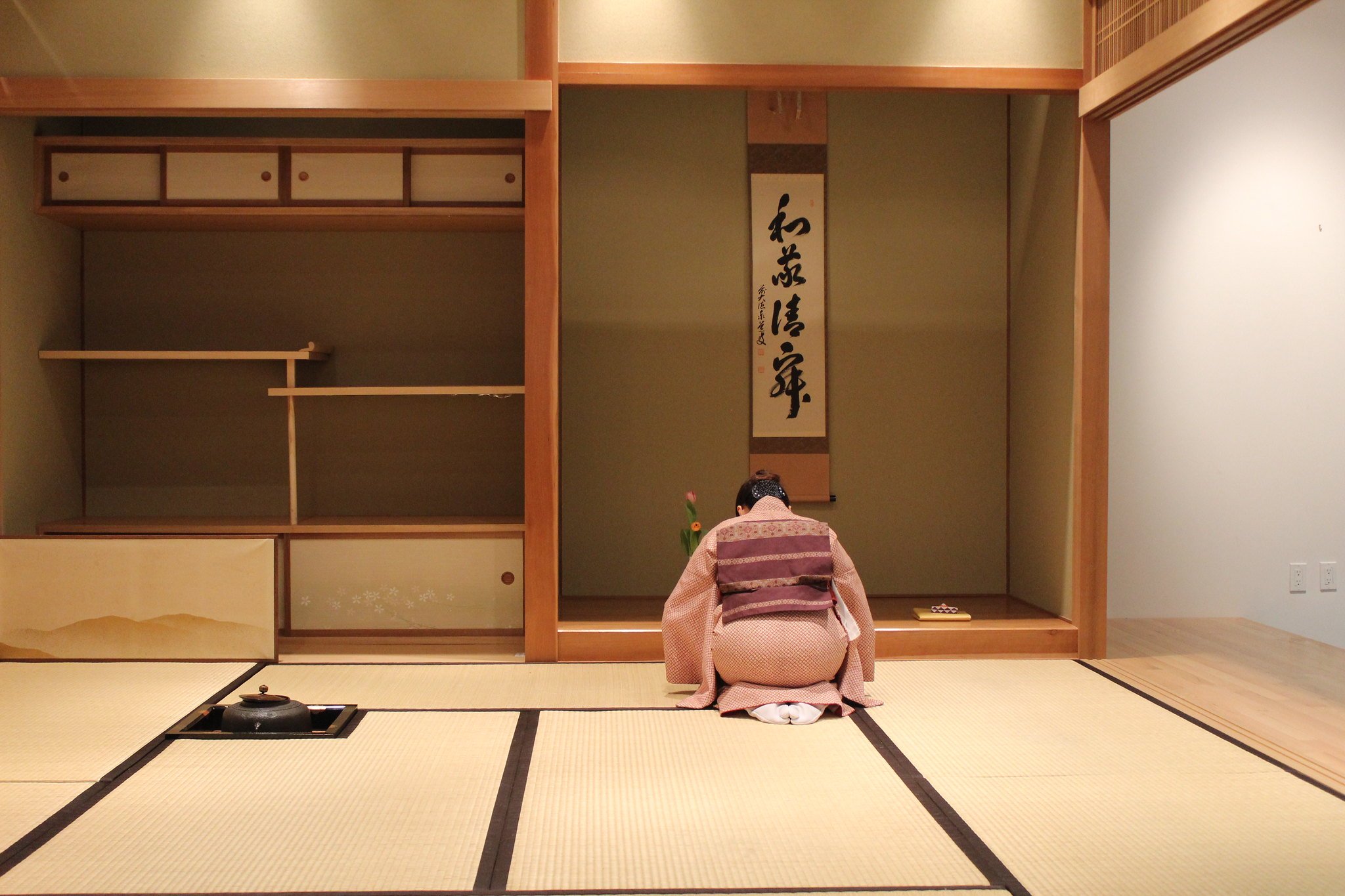
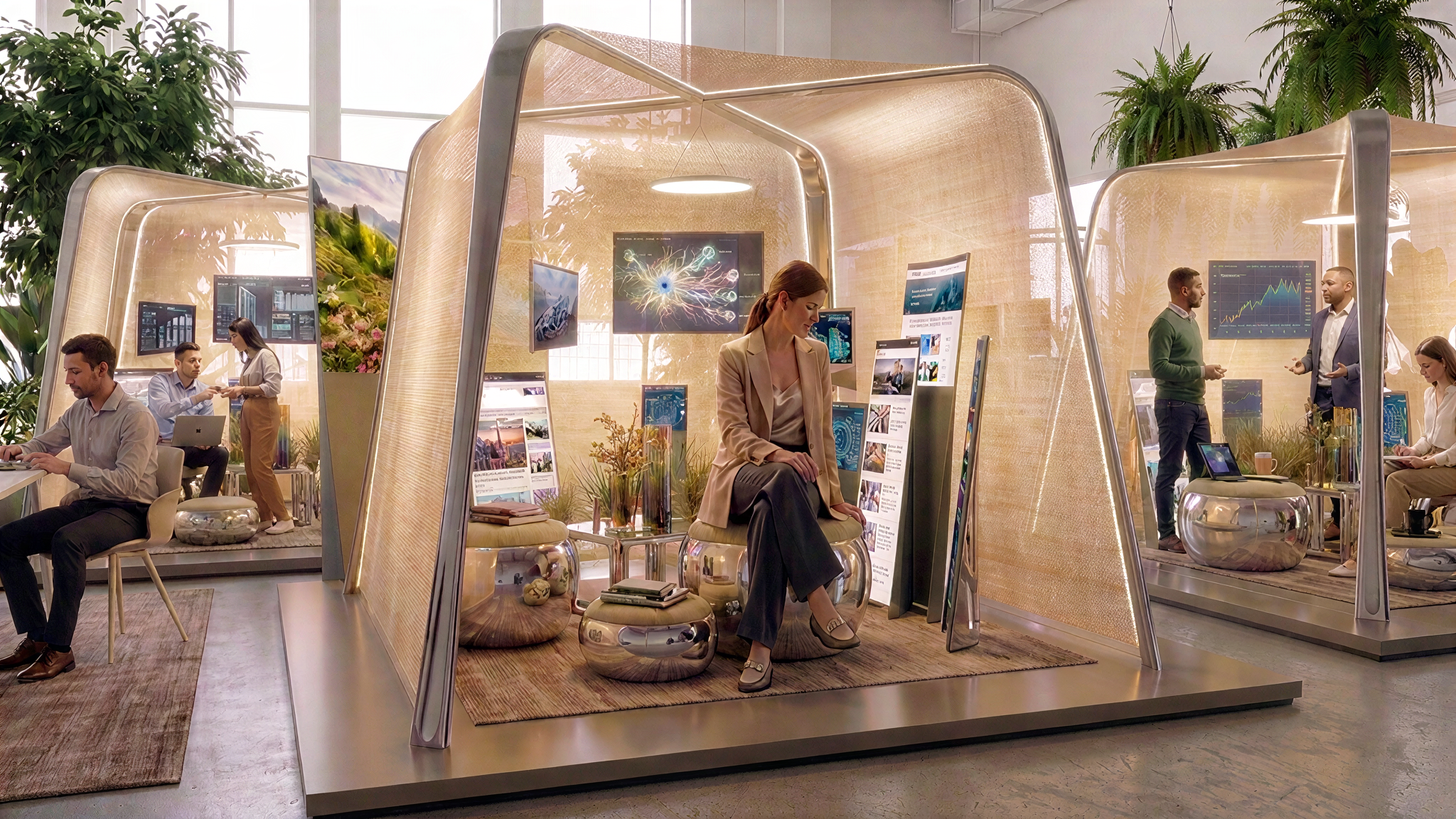
This concept was also based on research into huts and Japanese tea houses. It is making the individual's office an emersive experience, providing shelter and access to multiple video and web feeds, layered around the space. The platform, like a teahouse, sets the occupants personal space apart without walls. It also provides power. Ideally the clear film sides would be able to darken and become transluscent to prevent the 'fishbowl' effect. In 2001, and 8x8' workspace was still acceptable (compared to the 4x6' on today's benching applications). Here the knowledge worker - the most valuable asset to a company - is optimized before before the square footage.
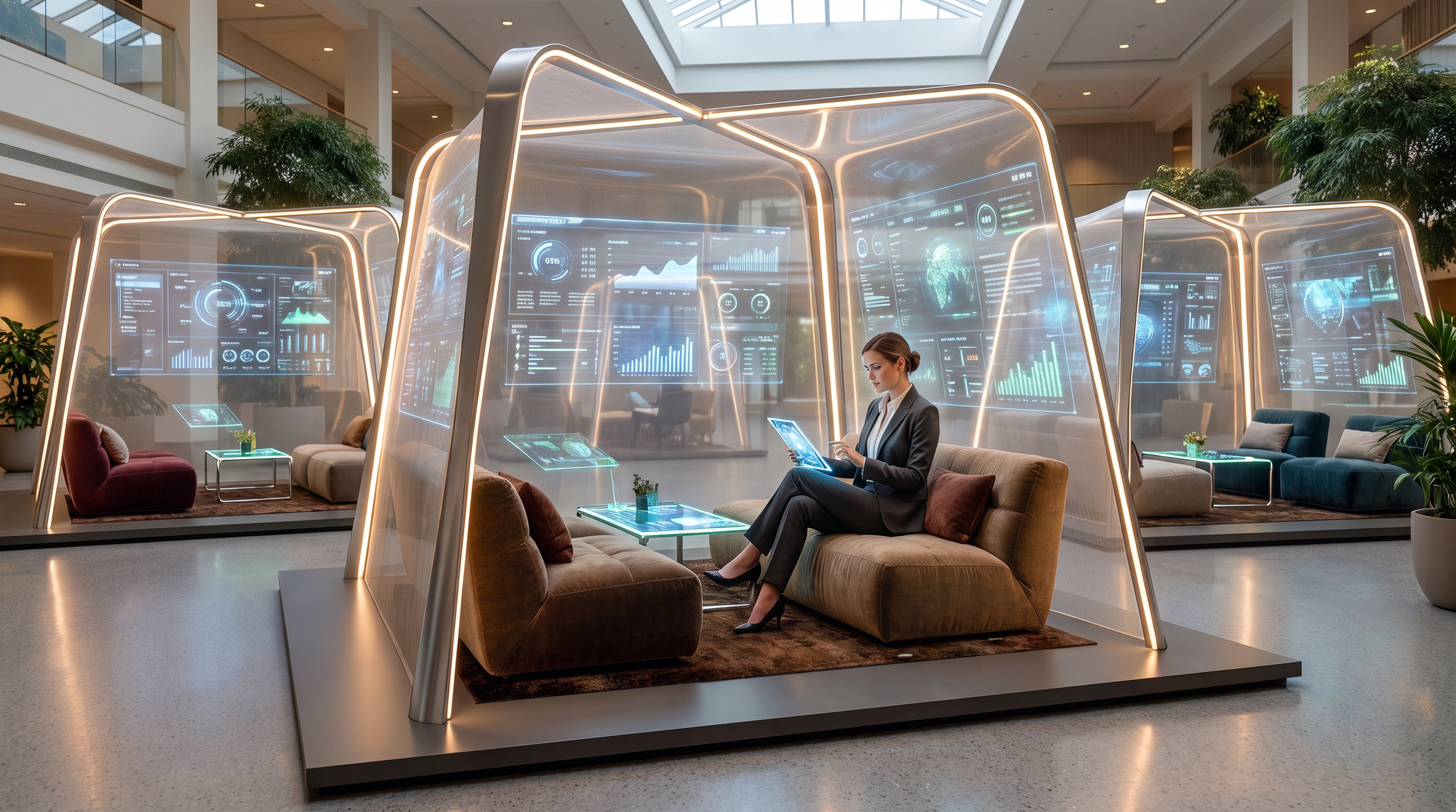
Transparent or translucent screens with live, embedded information could become part of the lighting system and recede into the environment or be brought forward at will. These are future caves and cave art on the walls.
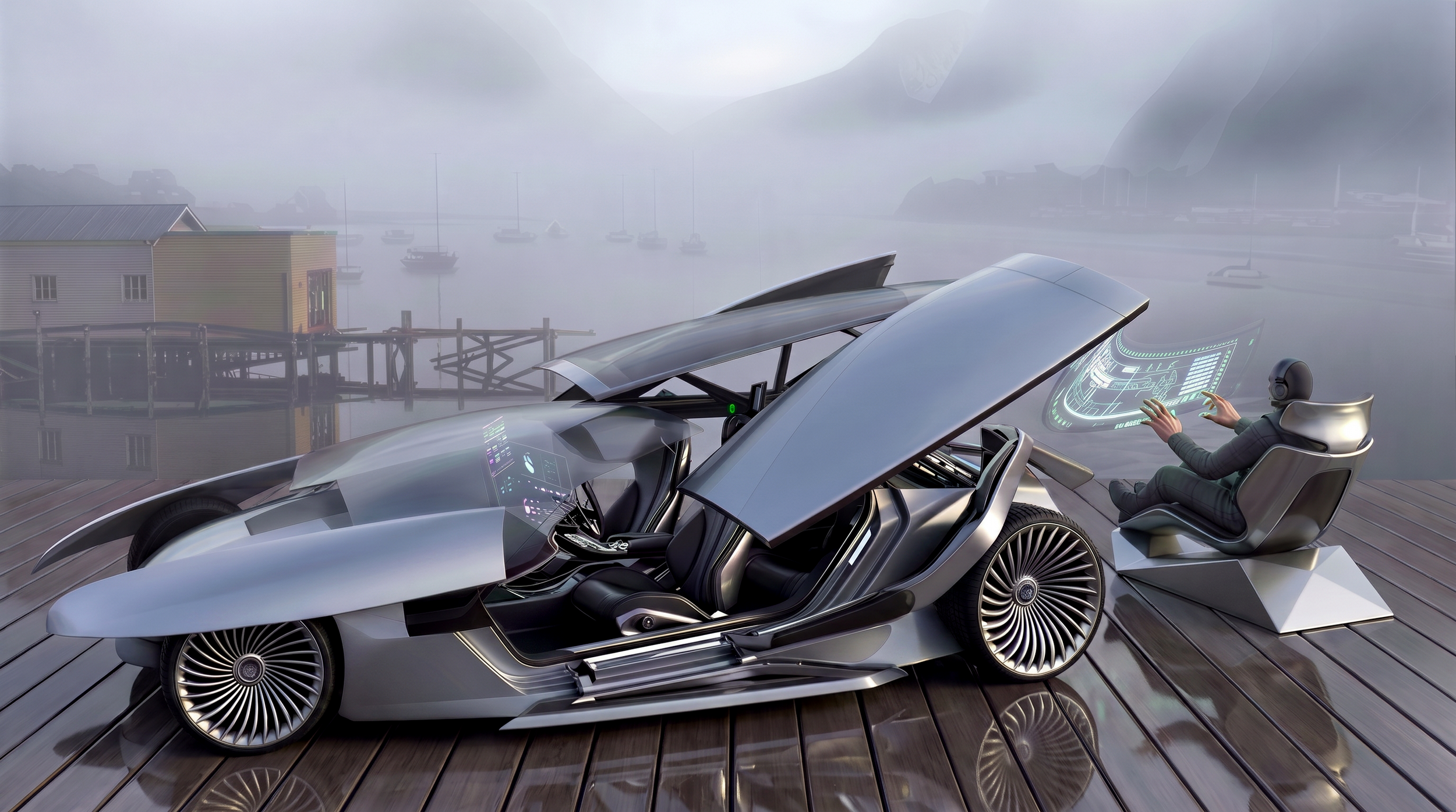
How can we consider a 'pop-up' workspace that docks into a vehicle that is designed for true 'work-anywhere' locations?
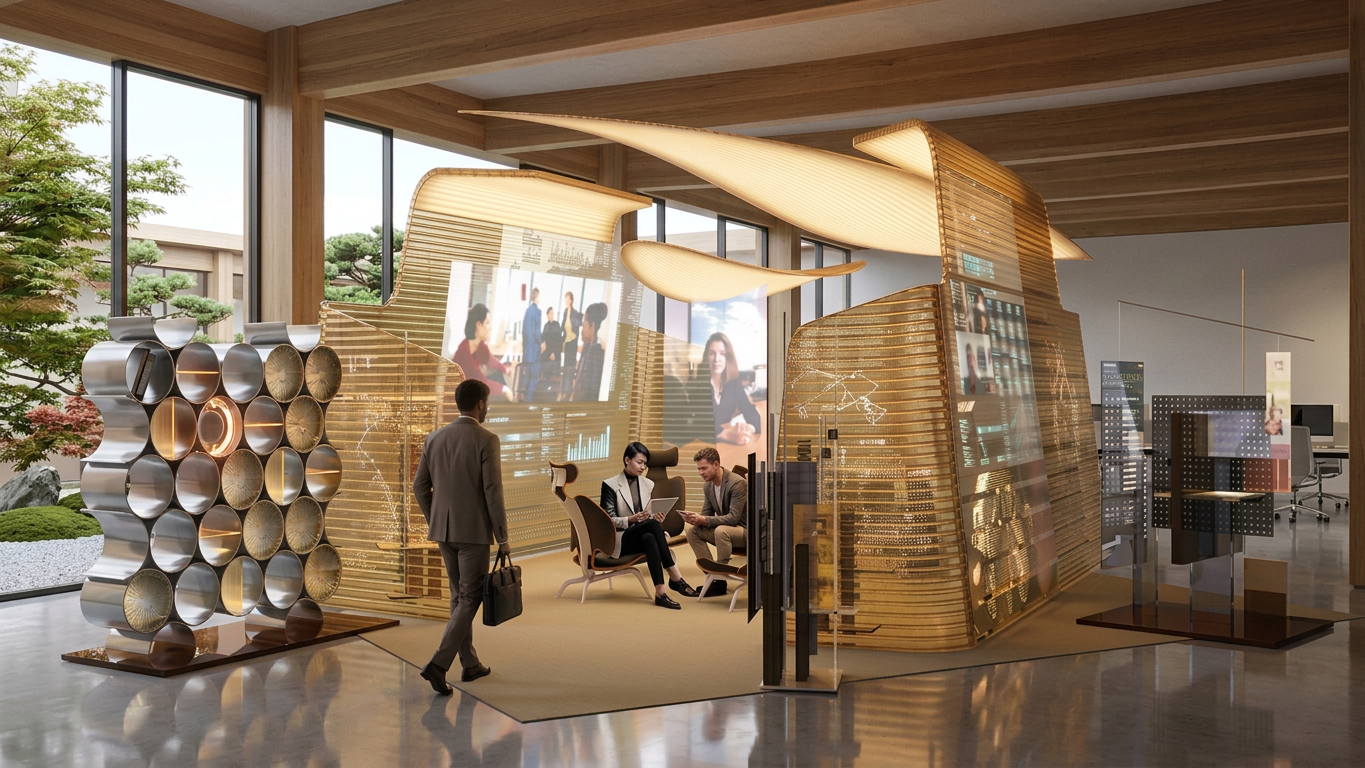
Again the idea of a cave dwelling for teams - a 4 dimensional space that is living and dynamic (the 4th dimension is time).
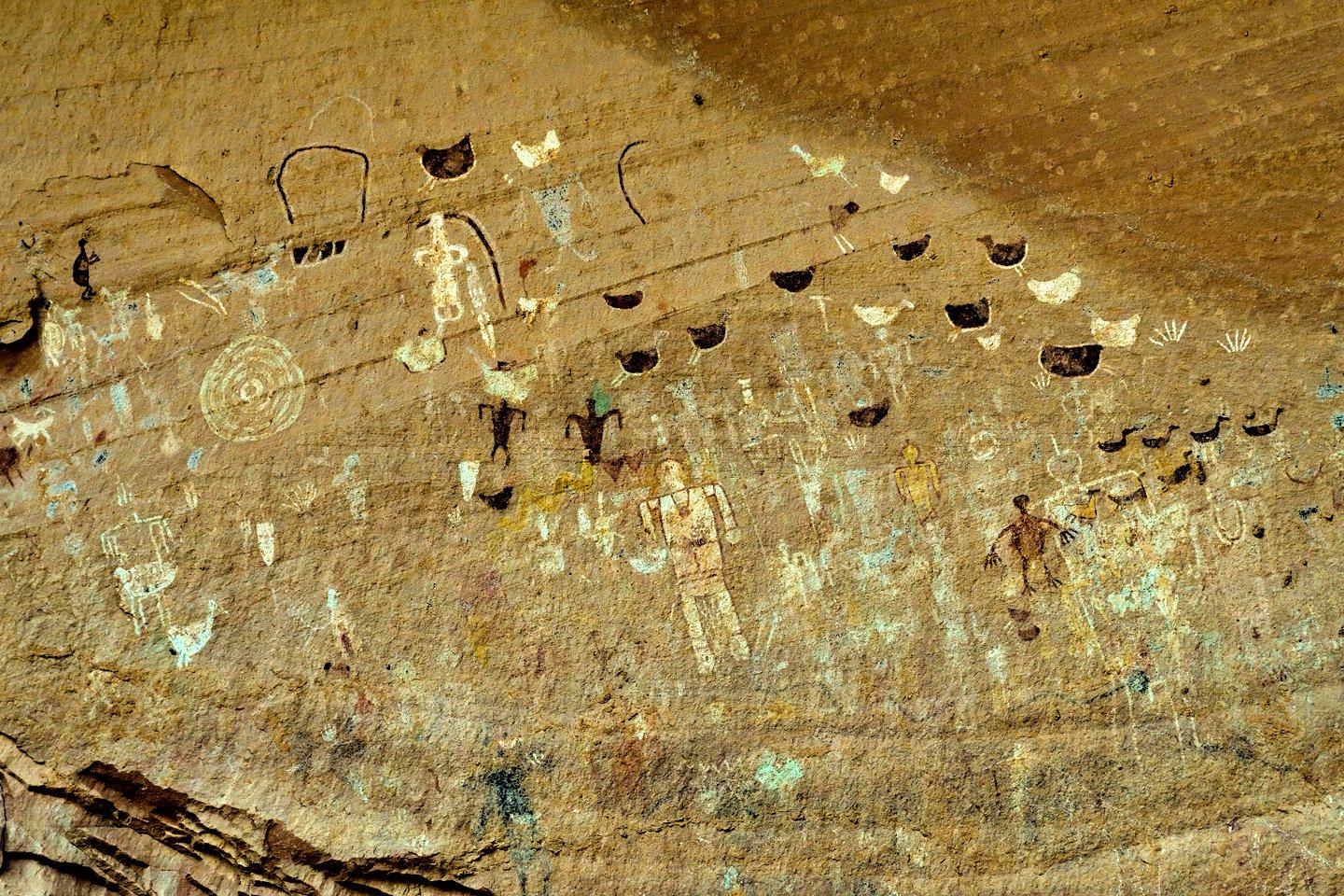
Using the environment to embed cultural history. This is an example of 'information persistence', 'embedded meaning', 'externalization of knowledge and ideas'. How can we use vertical enclosures to tell our stories? To educate future generations of workers about a business's origins? To prevent tacit knowledge from drifting away once someone leaves a company or retires? How do we retain and transfer that knowledge?

Another concept for the cave dwellings located in expansive buildings. Privacy walls can be translucent and lit, containing subtle references for the meeting's purpose. Overhead acoustic panels can provide warm or cool light based on the team's preferences.